Your goods
Customs compliance by industry sector
Every type of goods has its own rules for entering the European market. We master them for you — before departure, not after the goods are held.
A wrong tariff classification, a missing document or an overlooked sector obligation, and the result is goods held at customs, a penalty or a delivery delay. CTB Group works upstream: we prepare ready-to-file documentation, verify the quality of your data and orchestrate your freight forwarders and licensed customs representatives according to the exact nature of your products.
Our role is that of a customs control tower: we do not file declarations on your behalf — we make sure they are correct the first time. Select your sector below.
Six sectors we follow closely
Every industry has its own customs traps. Here are the ones we meet most often, and what we actually do about them.
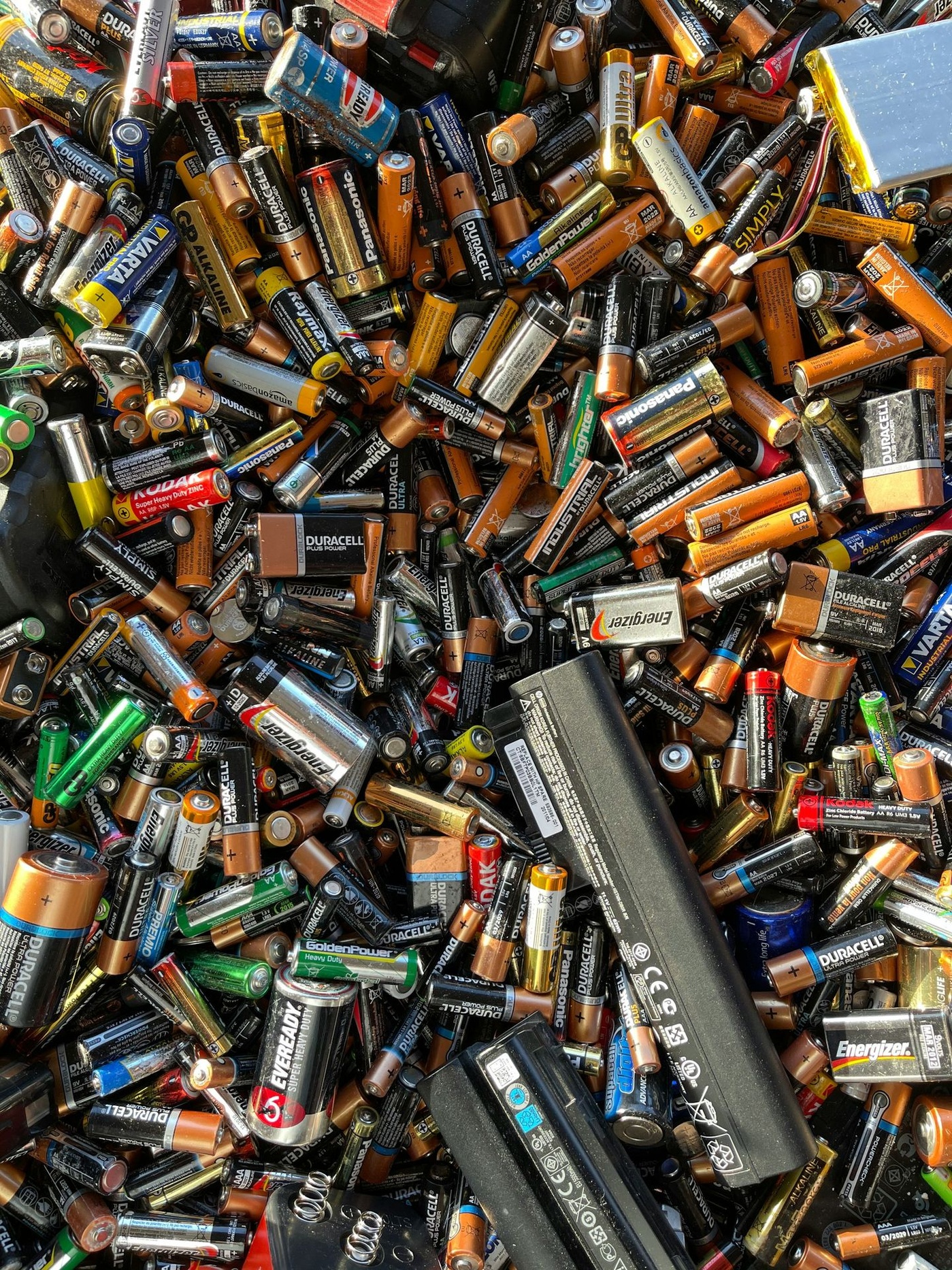
Batteries and dangerous goods
Issues : Batteries Regulation (EU) 2023/1542, digital passport, due diligence on raw materials.
Risks : Wrong classification between cell, module and pack; undeclared dangerous goods under ADR/IMDG.
Flows : Import of cells, packs and energy storage systems (BESS), spare parts.
Support : Classification, product compliance file, coordination of dangerous goods transport.
Agri-food
Issues : Sanitary and phytosanitary controls, establishment approvals, import certificates.
Risks : Refusal at the border control post, detained consignments, broken cold chain.
Flows : Raw materials, processed products, beverages and goods subject to excise duties.
Support : Document checks before departure, coordination with the health authorities and your declarant.
Textiles and clothing
Issues : Preferential origin, Ecodesign Regulation (ESPR), durability and product information obligations.
Risks : Proof of origin that will not hold up in an audit, retroactive reassessment over several years.
Flows : Imports from Asia, Türkiye and North Africa, intra-EU redistribution.
Support : Origin audit, product-by-product matrix, preparation for the new ecodesign obligations.
Metals and goods subject to CBAM
Issues : Steel, aluminium, cement, fertilisers, hydrogen and electricity fall under the carbon border mechanism.
Risks : Importing without authorised CBAM declarant status, emissions data unavailable from the supplier.
Flows : Import of semi-finished and finished goods covered by CBAM codes.
Support : Eligibility file, collection from suppliers, coordination of your authorised declarant.
Chemicals, cosmetics and health
Issues : REACH, CLP classification, dangerous goods, medical devices and cosmetic products.
Risks : Unregistered substance, non-compliant labelling, transport wrongly declared at departure.
Flows : Import of substances, preparations and regulated finished products.
Support : Regulatory mapping, document file, coordination with your product experts.
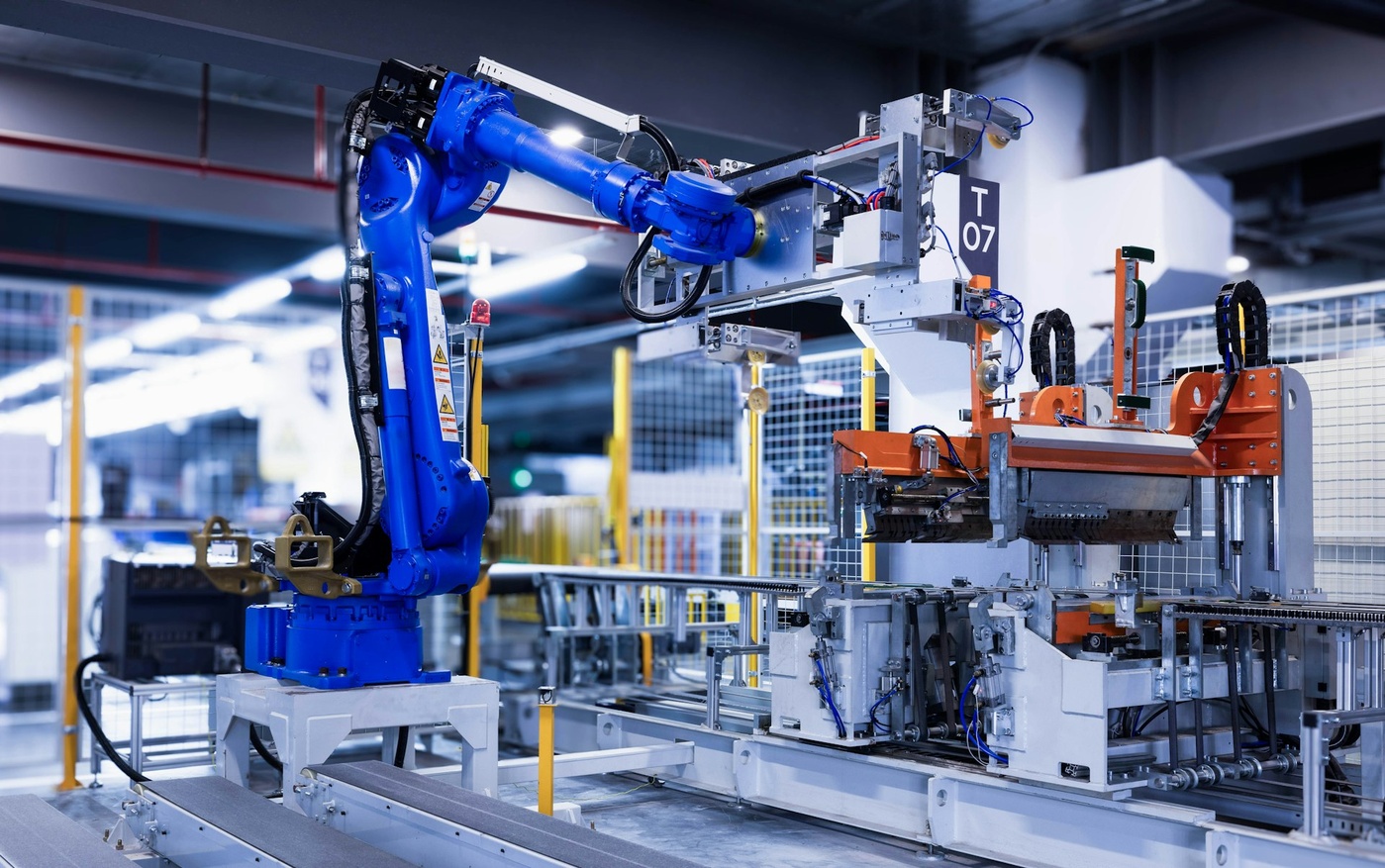
Industrial equipment and technology
Issues : Complex tariff classification, dual-use goods, sanctions and destination restrictions.
Risks : Missing export licence, sanctioned counterparty, machine held back at departure.
Flows : Import of components, export of machinery and parts to third countries.
Support : Classification, dual-use and sanctions screening, preparation of the licence application.
This list is not closed. We work on other industries whenever the subject is customs or regulatory — timber under the EUDR, furniture, toys, art and religious articles, spare parts. If your sector is not listed here, the question stays the same: what has to be proven, to whom, and with which document?
Importing lithium batteries and energy storage (BESS)
This is one of the most heavily regulated sectors at import. Three frameworks stack up, and the smallest gap is costly:
- Battery Regulation (EU) 2023/1542 — sustainability, due diligence and a digital battery passport. This passport is mandatory from 18 February 2027 for any battery above 2 kWh (industrial, electric vehicle, light mobility), whether new, refurbished or imported. It is the first digital product passport made mandatory in the Union, across all product categories.
- Dangerous goods (ADR / IMDG) — lithium cells fall under class 9 (UN 3480 / UN 3481), with strict packaging, labelling and transport documentation requirements.
- Tariff classification — a precise HS code that determines duties, controls and ancillary obligations.
What we do for you. We verify your tariff classification, check the consistency of your import documentation, structure the compliance file (CE marking, labelling, raw-material traceability) and coordinate dangerous-goods transport with your providers — so your battery flow crosses the EU border without friction.
→ First step : Ready-to-Import Diagnostic · Recurring flows : Control Tower Retainer · Systems transition (ICS2, AES) : Systems Transition Pack
Importing agri-food products and commodities
Imported foodstuffs and commodities combine sanitary and phytosanitary (SPS) controls, demanding rules of origin and — for products linked to deforestation — the obligations of the EUDR.
- EU Deforestation Regulation (EUDR) (EU) 2023/1115, applicable to cocoa, coffee, soy, palm oil, rubber, wood and cattle. Regulation (EU) 2025/2650, published in December 2025, postponed its application to the end of 2026 for large and medium operators, opening a strategic window to structure your compliance now.
- SPS controls, origin and traceability — due diligence statements (DDS), reference numbers, proofs of origin.
What we do for you. We act on the customs downstream side: structuring the EU entry documentation, verifying origin and traceability at import, building the customs file — complementing upstream actors (certification and legality at source). For non-EU producers, notably from Mercosur, this work fits within our dedicated specialisation.
→ First step : Ready-to-Import Diagnostic · Ongoing EUDR follow-up : Control Tower Retainer · Non-EU producers : see also EU–Brazil Corridor


Importing textiles and apparel
The textile sector is entering a new regulatory era. Anticipating today means avoiding tomorrow's blockages:
- Extended Producer Responsibility (EPR) for textiles — registration and eco-contribution obligations.
- Ecodesign (ESPR) and Digital Product Passport (DPP) — textiles are among the first categories covered by the European digital product passport.
- Rules of origin and anti-dumping measures — on certain categories and sensitive origins.
What we do for you. We verify the origin and tariff classification of your articles, anticipate your EPR and DPP obligations, and secure import documentation to keep clearance smooth and remove the risk of reassessment.
→ First step : Ready-to-Import Diagnostic · Ongoing support : Control Tower Retainer

Your sector isn't listed?
Our pre-compliance and orchestration method applies to any import or export flow within the European Union.
Let's talk about your project.