Coffee, cocoa, soy and foodstuffs: customs compliance and EUDR
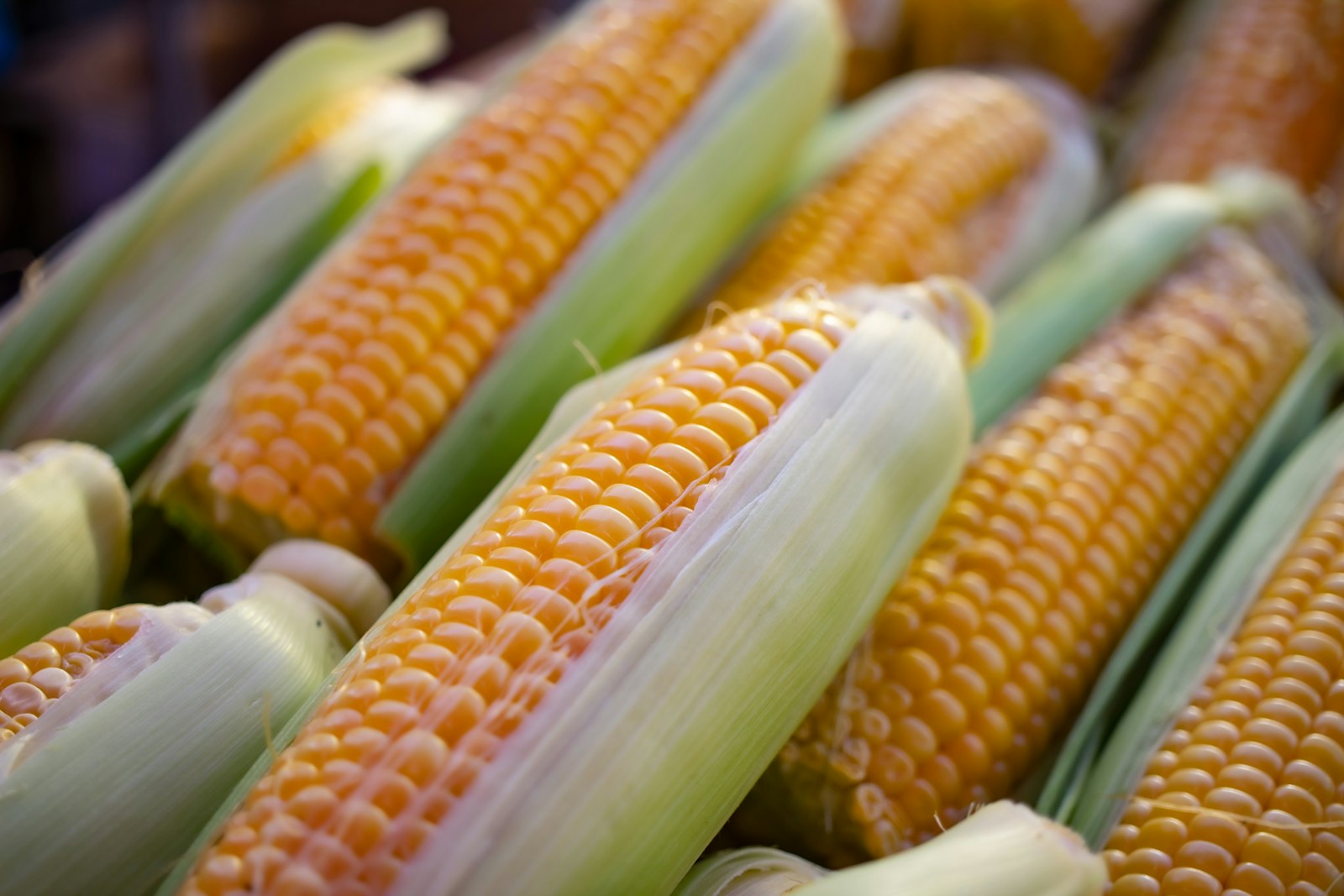
Agri-food is the most heavily controlled sector when entering the European Union. A single missing document in the chain, and the shipment is held at the border control post — often on perishable goods.
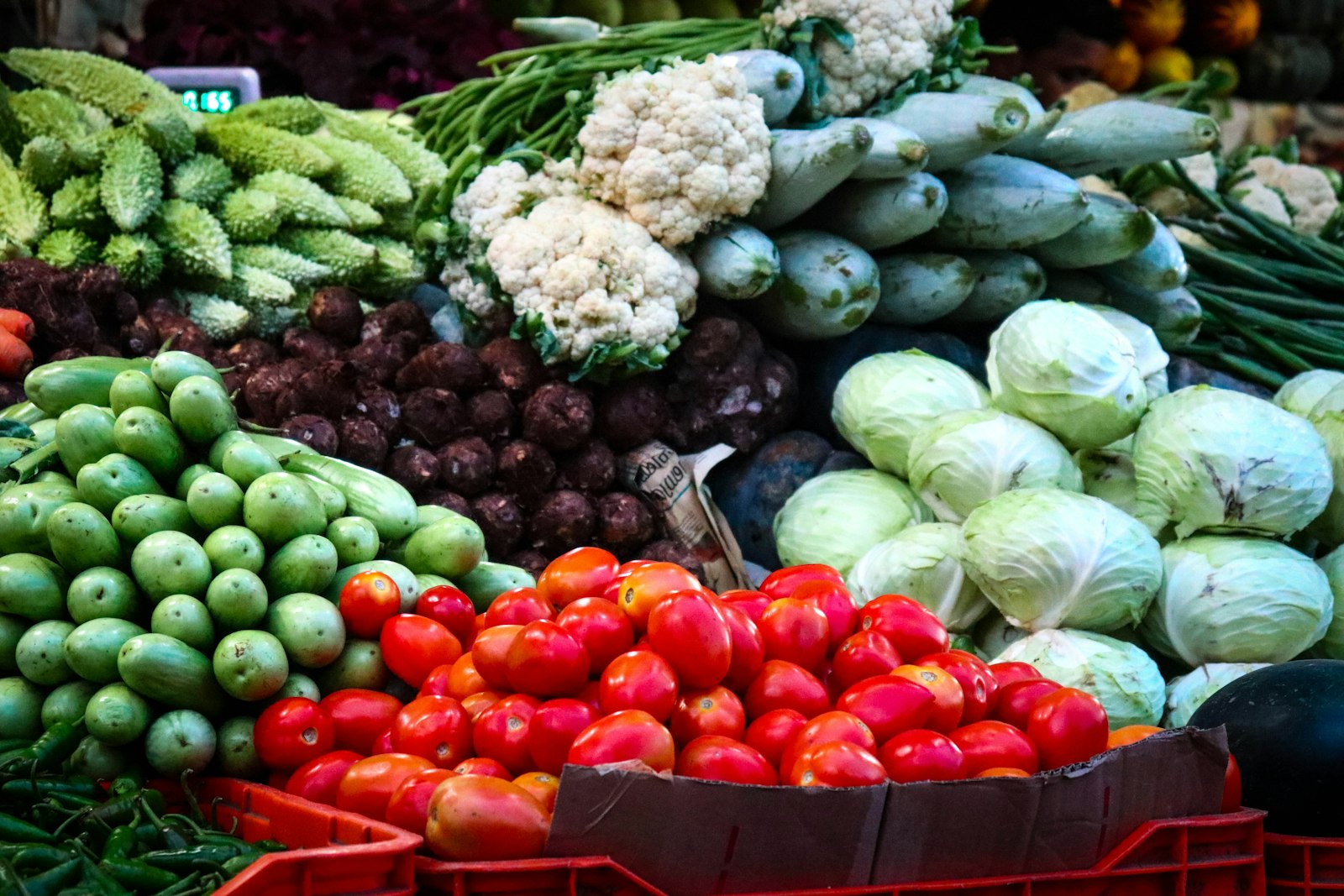
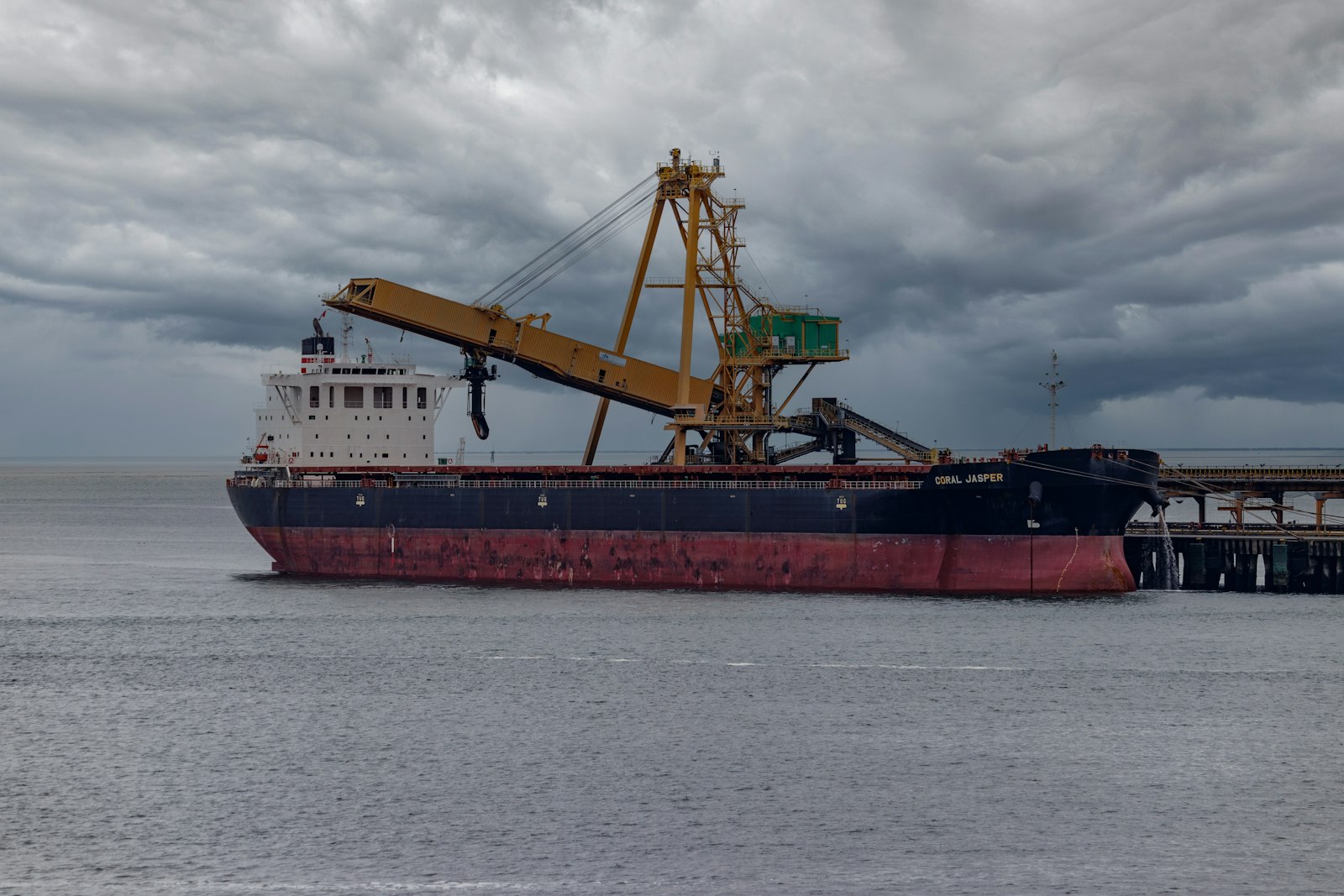
Importing foodstuffs and commodities into the EU
isn't just clearing customs: it's simultaneously passing a sanitary control, an origin control, and now an environmental control. Three administrations, three logics, one flow.
Learn more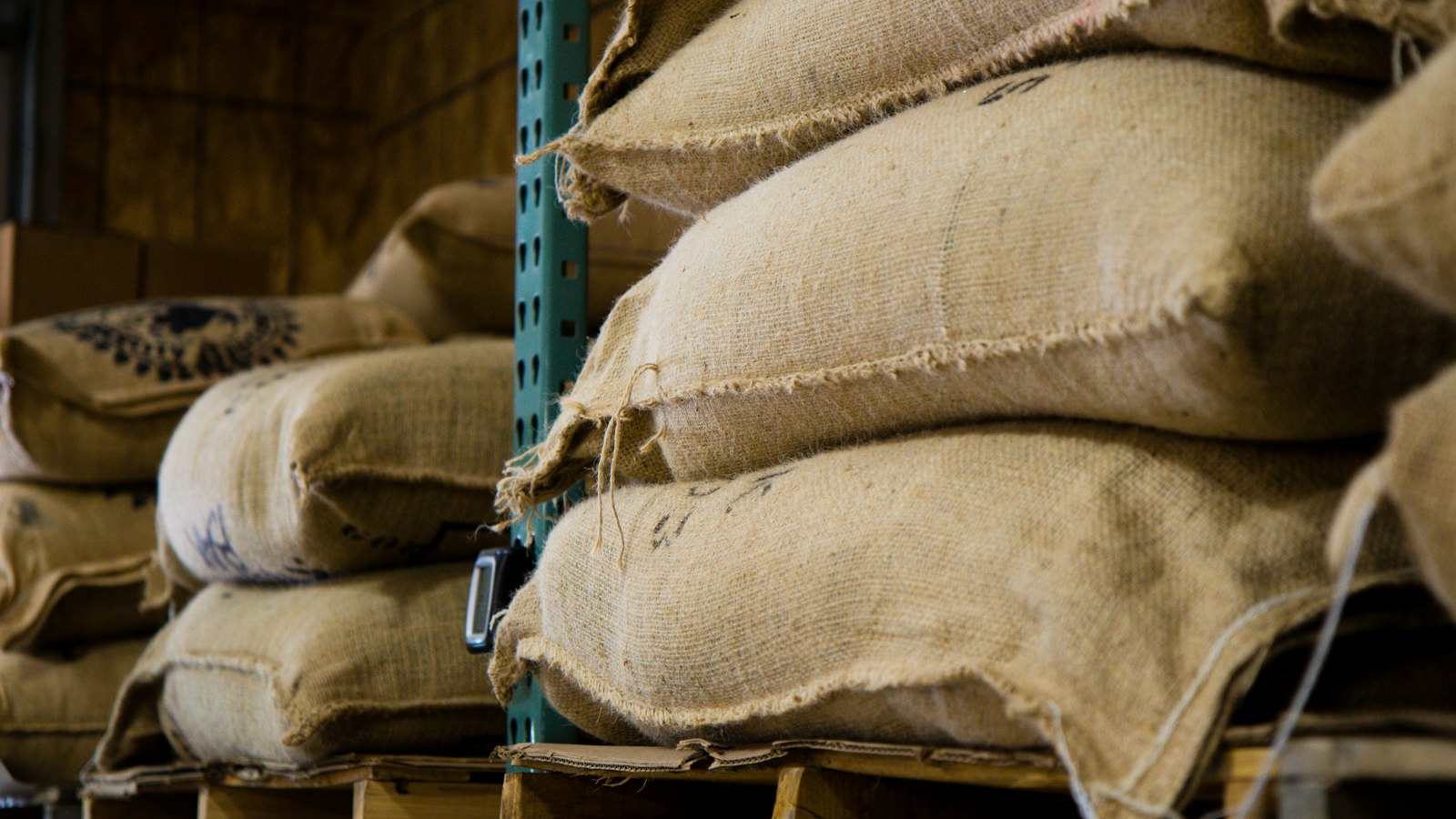
CTB Group orchestrates
the whole upstream of clearance, so your goods enter the first time — no refusal, no hold, no loss.
Why agri-food concentrates every control
Unlike most goods, an imported foodstuff must satisfy three overlapping frameworks:
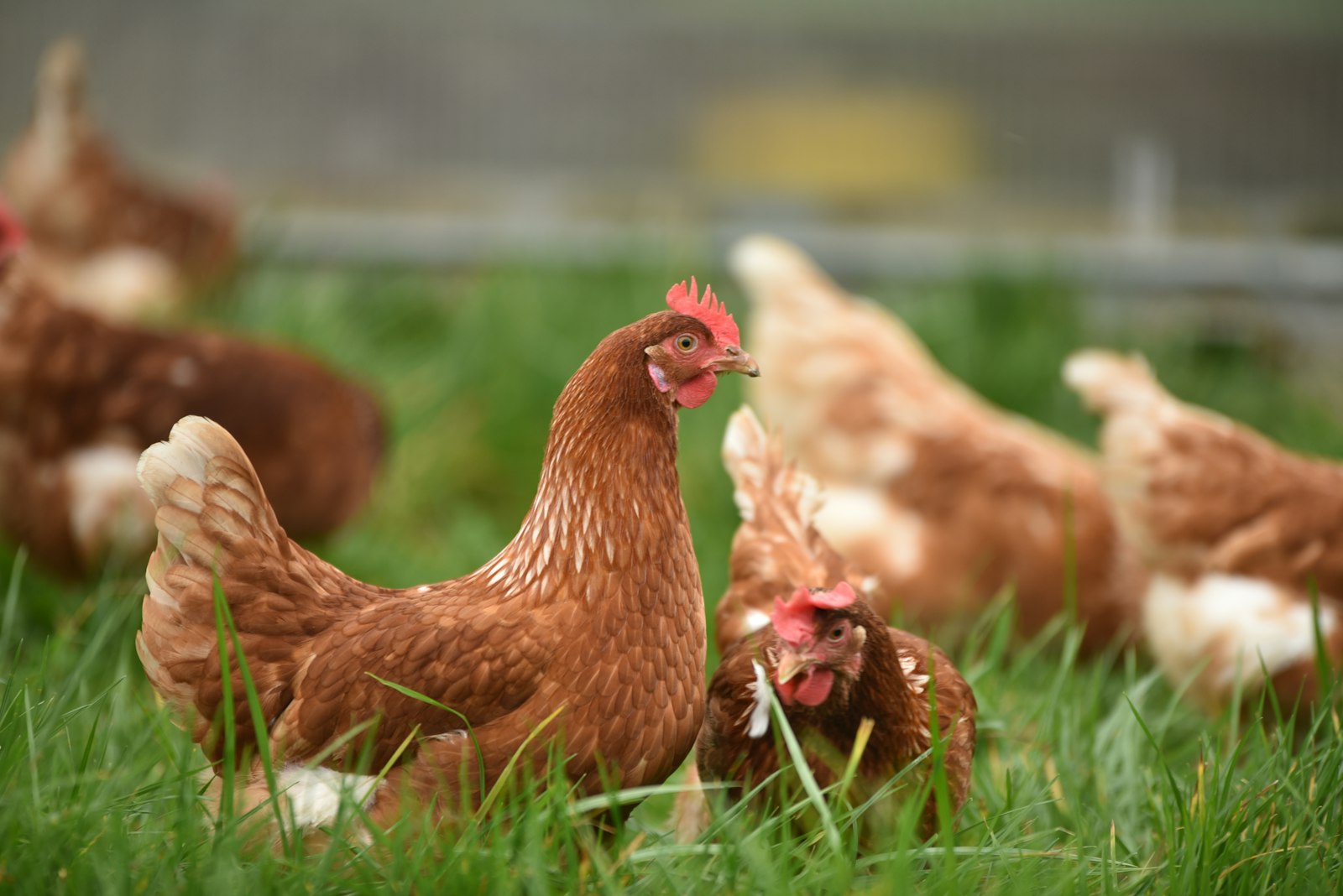
Sanitary and phytosanitary compliance (SPS)
to protect human, animal and plant health ;
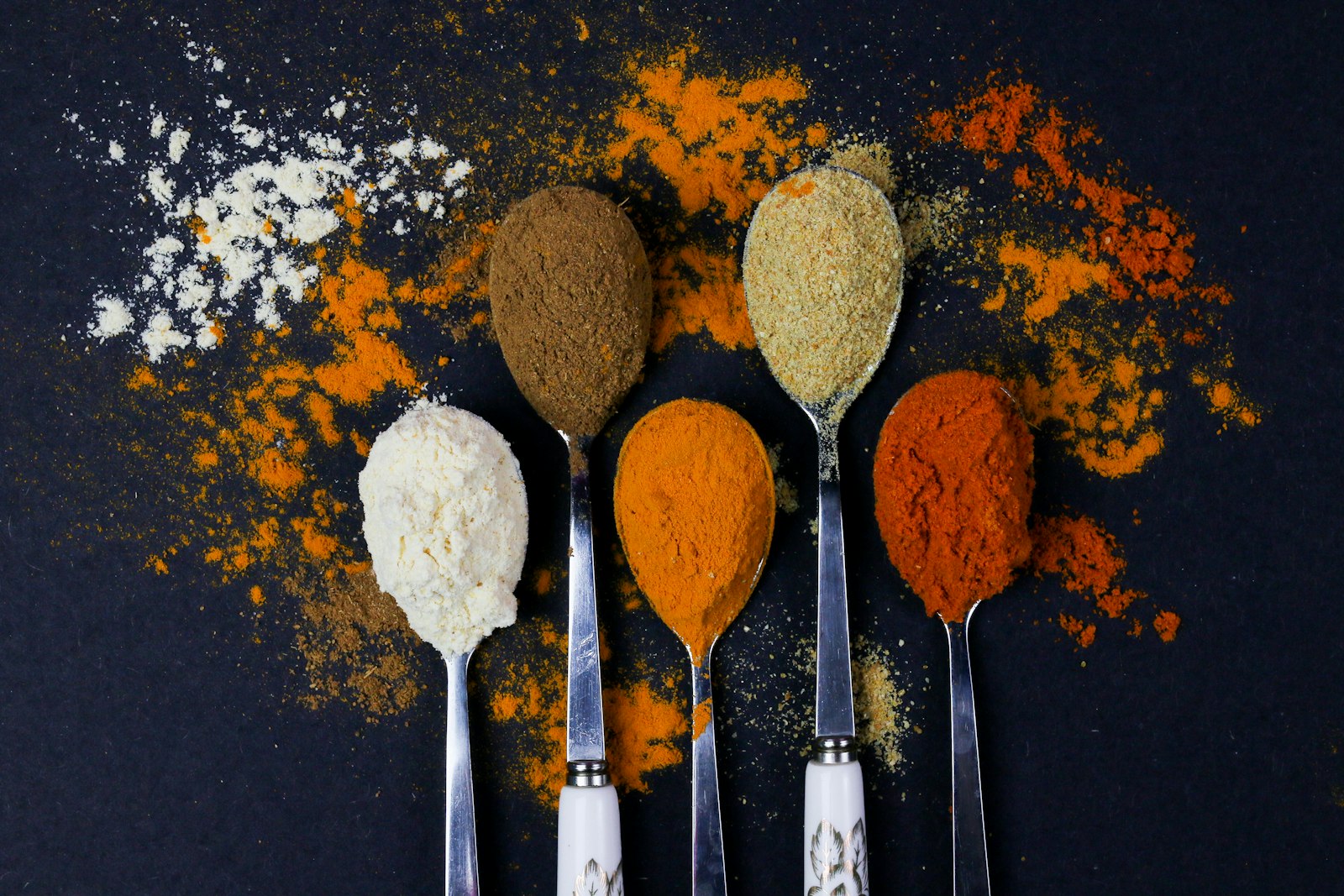
Origin compliance
which determines your customs duties and access to preferential regimes ;
Environmental compliance (EUDR)
for products linked to deforestation.
Each has its own documents, systems and deadlines. Treating them separately multiplies the breaking points. Our method prepares them together, as one coherent file.
EUDR: deforestation, the new entry filter
The EU Deforestation Regulation (EUDR) (EU) 2023/1115
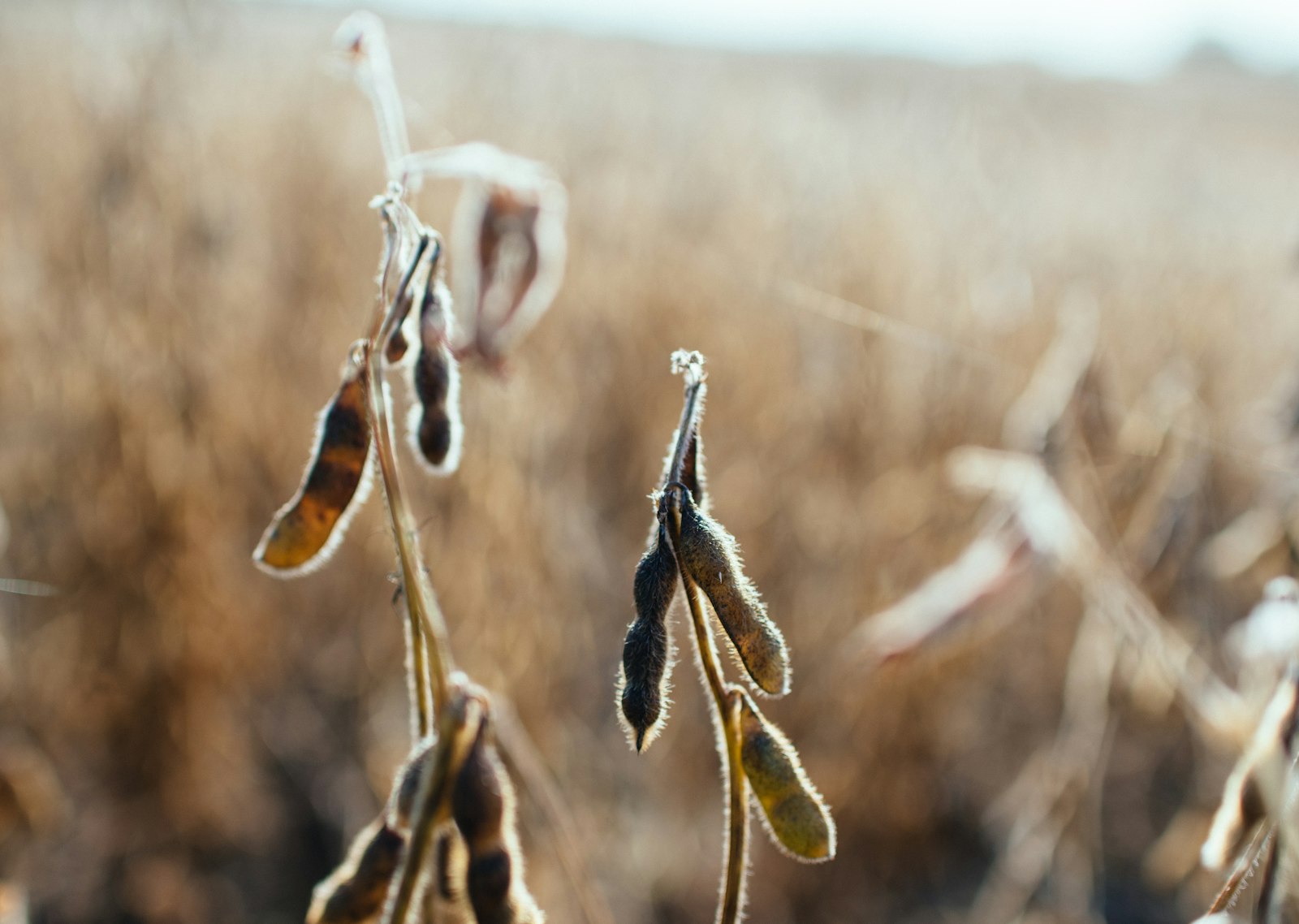
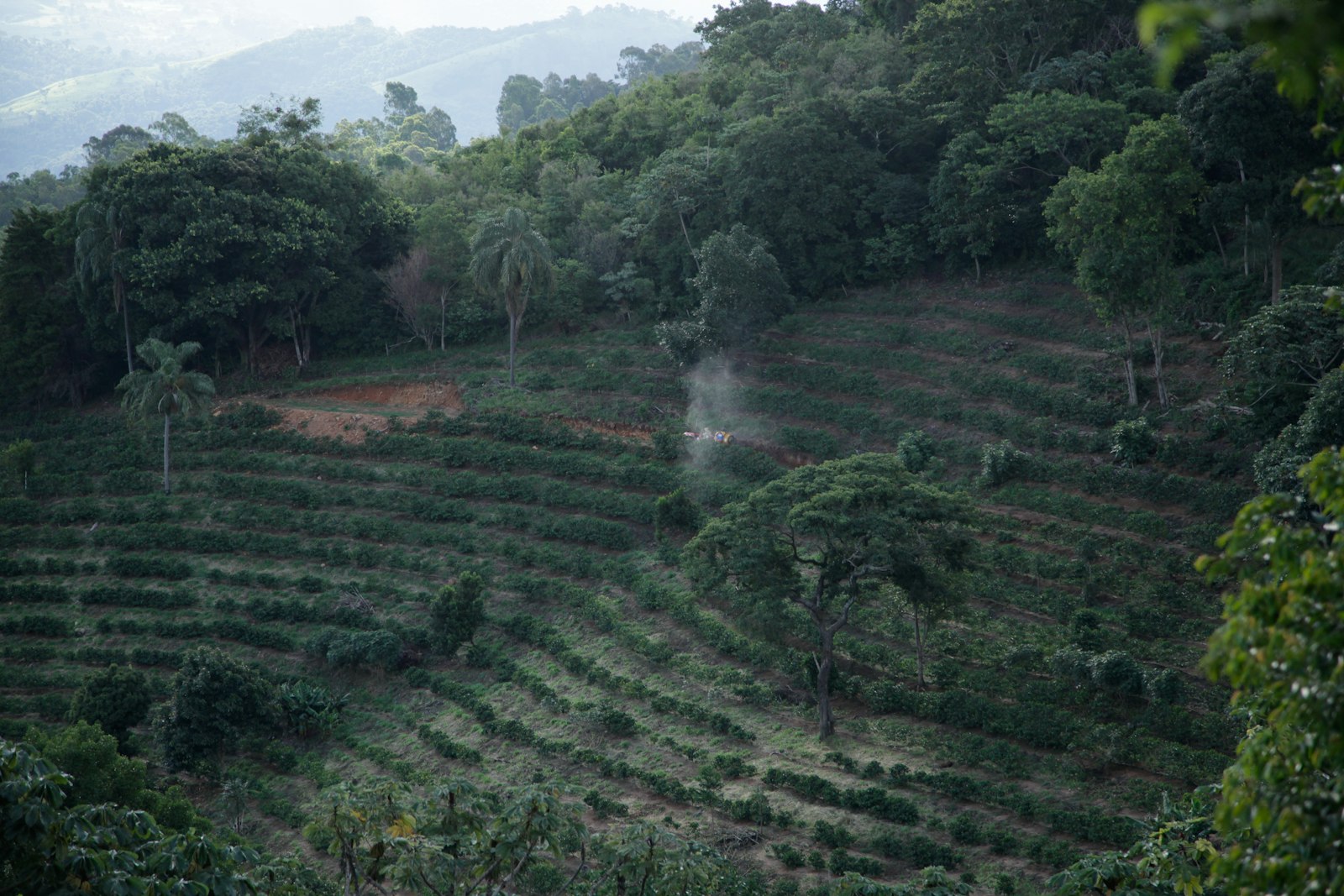
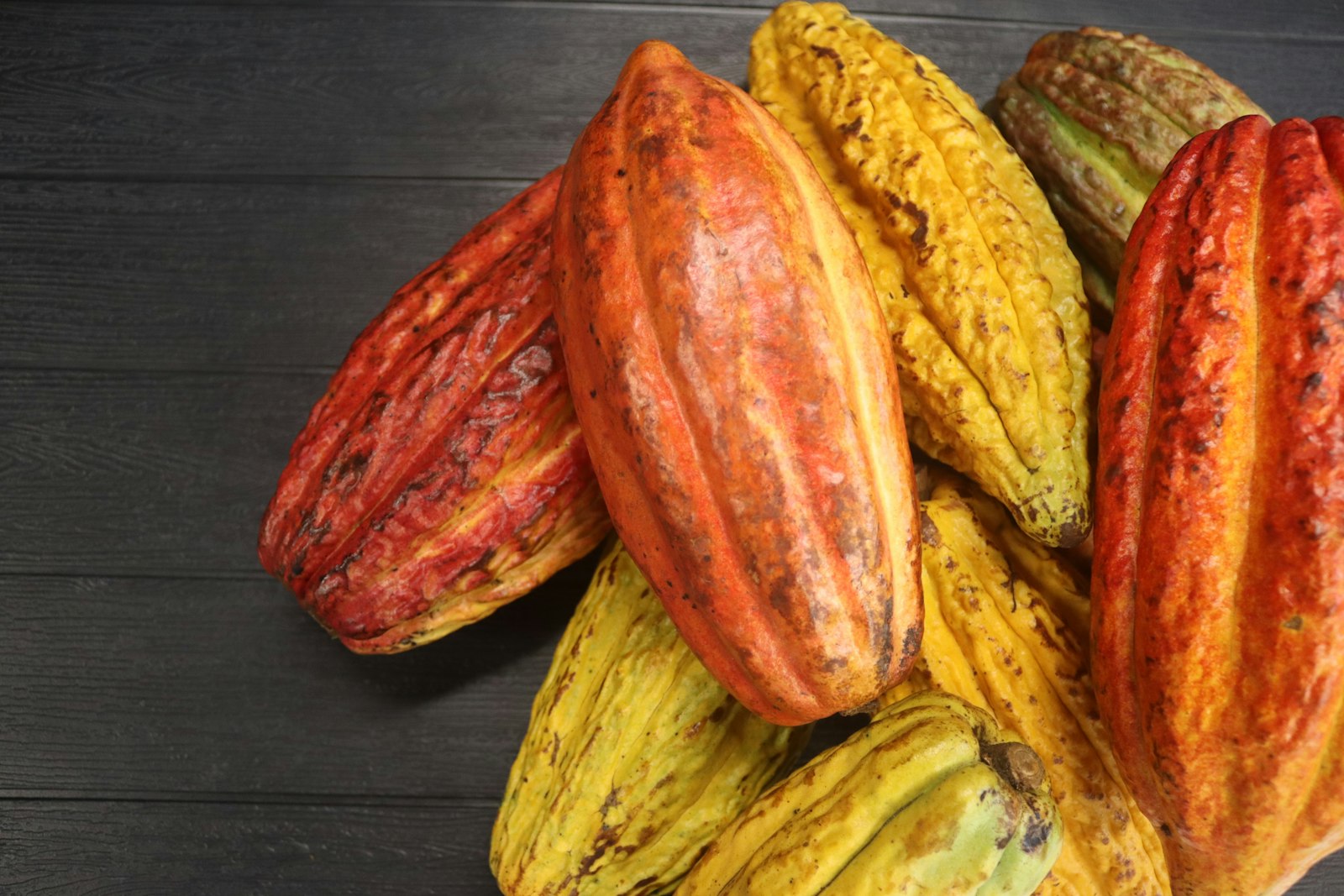
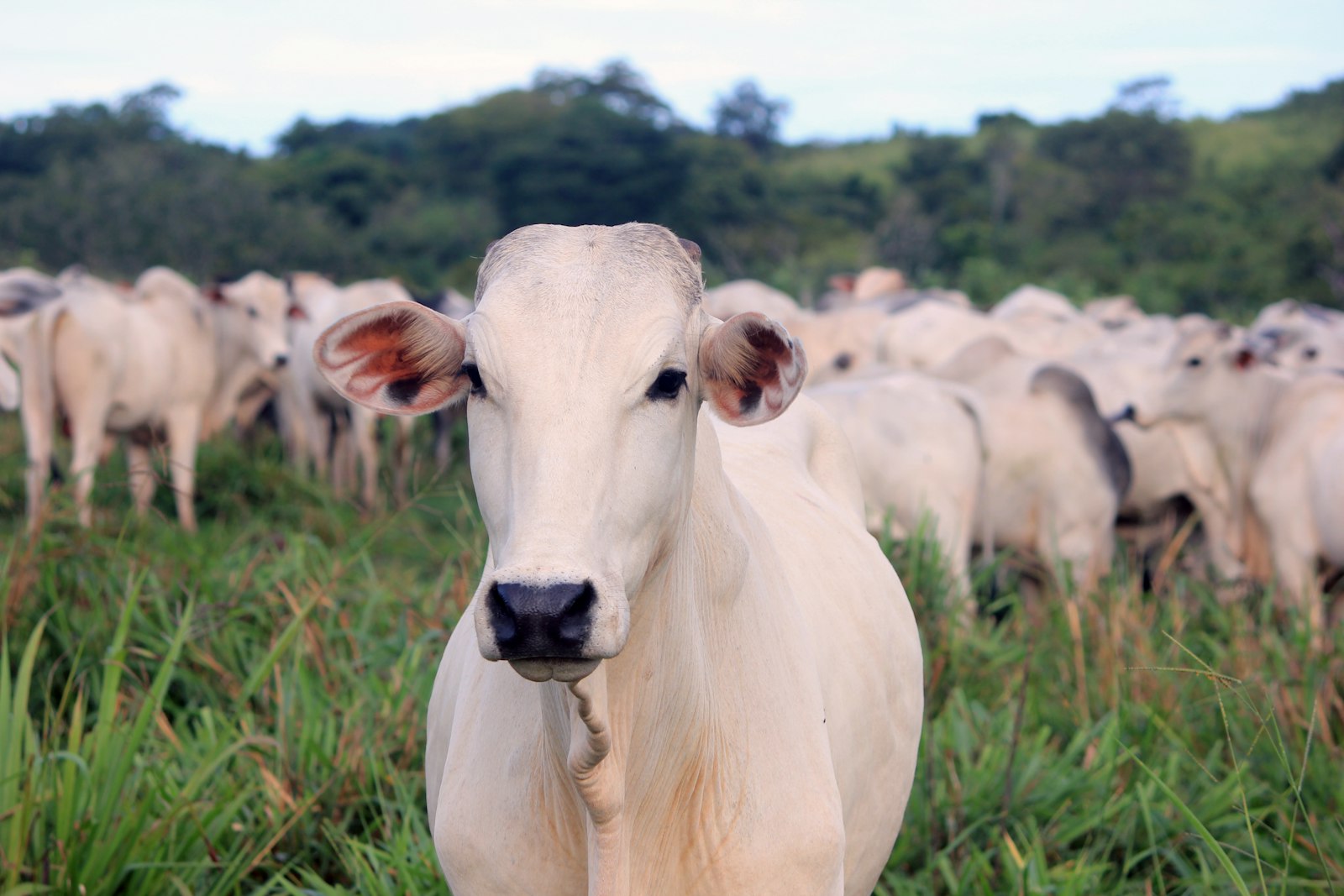
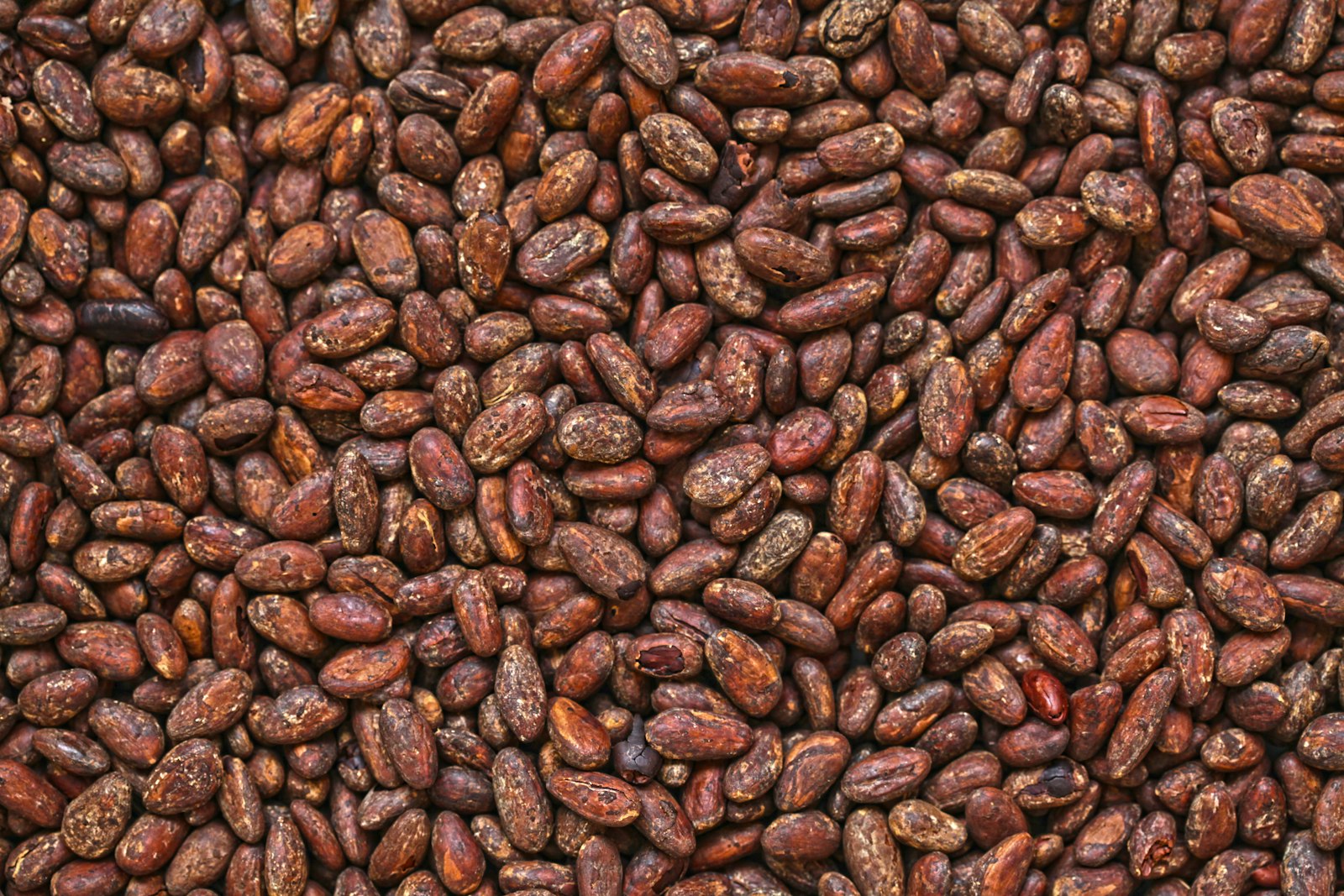
imposes due diligence on seven commodities and their derivatives: cocoa, coffee, soy, palm oil, rubber, wood and cattle. In practice, you must prove — with plot geolocation — that your goods do not come from land deforested after 31 December 2020, and file a due diligence statement (DDS) generating a reference number without which the goods cannot be cleared.
Regulation (EU) 2025/2650
published in December 2025, postponed the application of the EUDR to the end of 2026 for large and medium operators. This postponement is not a respite: it's a strategic window to structure your traceability now, map your suppliers and make your geolocation data reliable — before the obligation bites.
What we do.
We verify whether your products fall within EUDR scope, structure the DDS documentary circuit, check consistency between your origin data and your customs file, and align it all with your import declarations.
SPS controls: TRACES, CHED and border control posts
Products of animal or plant origin must be notified in the European TRACES system and accompanied by a Common Health Entry Document (CHED), presented at an approved Border Control Post (BCP). A non-compliant health certificate, a BCP unsuited to your product category, a poorly anticipated time slot — and perishable goods wait, sometimes until loss.
What we do. We identify the right BCP, verify the compliance of your sanitary and phytosanitary certificates, prepare the CHED, and synchronise physical arrival with the documentary control to eliminate dead time.
Origin and the EU-Mercosur agreement: turning a constraint into a tariff advantage
Origin
Origin is the most underused lever in agri-food importing. Well documented, it opens access to the reduced or zero customs duties of preferential agreements. Poorly documented, it exposes you to a retroactive reassessment.
The EU-Mercosur interim trade agreement
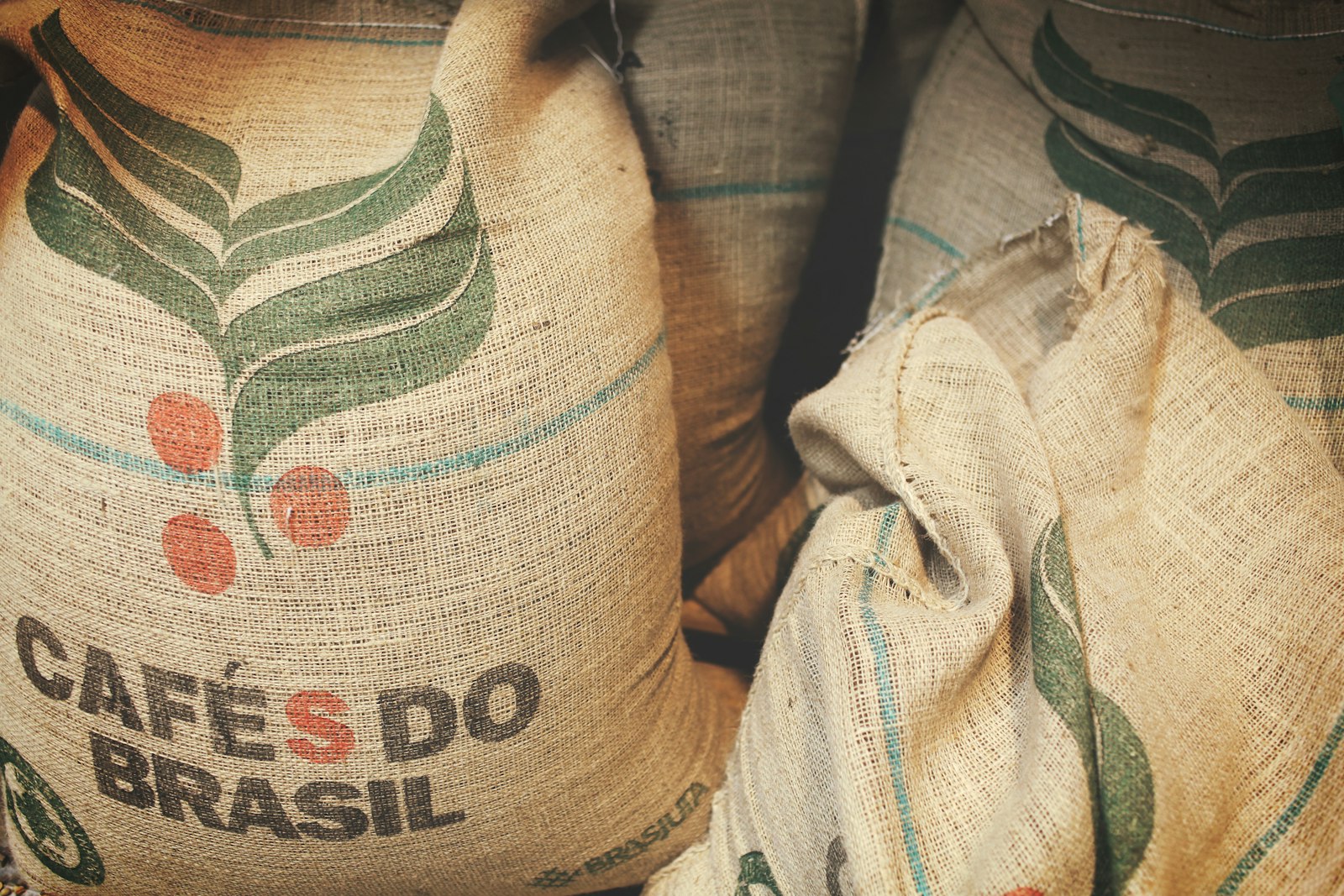
And here your timing is ideal. The EU-Mercosur interim trade agreement has applied provisionally since 1 May 2026, with the removal of customs duties on certain products from day one. For an importer of Brazilian, Argentine or Uruguayan products, this changes the economics — provided you know how to prove preferential origin (REX registration, supporting documents, sufficient-processing rules).
What we do.
We verify the origin of your products, secure the documents required to benefit from Mercosur tariff preferences, and help you capture the customs advantage without exposing yourself to control risk
Tariff classification, quotas and duties
A wrong tariff classification (HS / CN code) distorts your duties, your controls and your eligibility for tariff quotas — those reduced-duty volumes that run out fast and demand anticipation. We make your classification reliable and identify the regimes and quotas applicable to your flows.
What is included, and what is not
What is included
- The analysis of your flows against the requirements specific to your industry: classification, origin, customs value, documents and authorisations.
- A map of the regulatory obligations that genuinely apply to your products.
- Preparation of the files intended for your declarant and your partners.
- Reusable deliverables: matrices, procedures and action plans your teams keep.
What is not included
- Lodging customs declarations, handled by the representatives your company appoints.
- Laboratory analyses, testing and certification: we prepare the files, accredited bodies remain solely competent.
- Transport, warehousing and handling: we coordinate your providers, we do not replace them.
- Guaranteeing the accuracy of data supplied by your suppliers: we flag inconsistencies, we do not certify them.
Our role: the control tower of your agri-food compliance
CTB Group manages the customs compliance and governance of your agri-food flows; declarations remain in the hands of the representatives appointed by your company. We work upstream of the declaration: we prepare ready-to-file documentation, check the quality of your data and orchestrate your freight forwarders, licensed customs representatives and — where relevant — your certification partners at origin. You stay in control; we make sure everything is correct, complete and synchronised before the border.
Producing in Brazil or the Mercosur? We have a dedicated page for Brazilian exporters to Europe, with the 2026-2027 checklist to download.
Authorisations concerned
For this sector, these are the statuses and authorisations that come up most often. The applicant is always the company; we prepare the file.
- EUDR operator — status and due diligence statement in the Commission system
- Registered exporter (REX) — to establish preferential origin yourself
- Binding origin information (BOI) — to secure a contested origin