CBAM Pack
CBAM: the definitive regime has applied since 1 January 2026
Steel, aluminium, cement, fertilisers, hydrogen, electricity: since 1 January 2026, these imports can no longer be made without authorised CBAM declarant status. We prepare your file end to end.
Regulatory information verified on 6 August 2026. This content may change in line with EU legislation and its implementing measures.
CTB Group structures, documents and coordinates your CBAM process. The accuracy of the emissions data provided by your suppliers remains their responsibility.
Who is affected by CBAM?
Are you concerned? Three simple questions
CBAM (Carbon Border Adjustment Mechanism) applies in its definitive phase since 1 January 2026. You are concerned if you answer "yes" to at least one of these three questions.
Do you import any of these products into the EU?
Iron and steel, aluminium, cement, nitrogen fertilisers, hydrogen, electricity — including a large share of downstream processed products containing these materials (screws, bolts, profiles, tubes, structures, prefabricated elements). The scope covers several hundred HS codes. If you are not sure of your exposure, that uncertainty alone is a signal that a diagnostic is useful.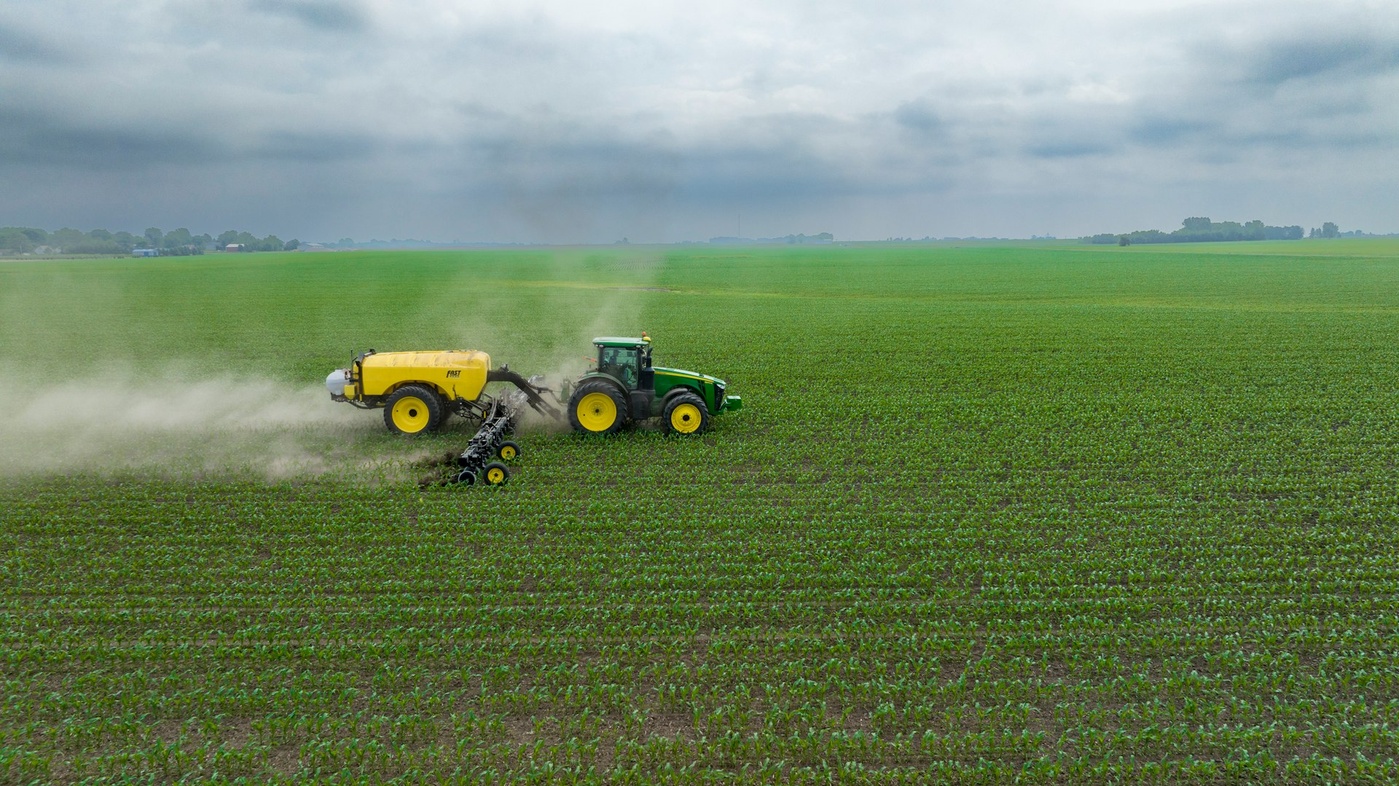
Are you established in the EU and importing those goods?
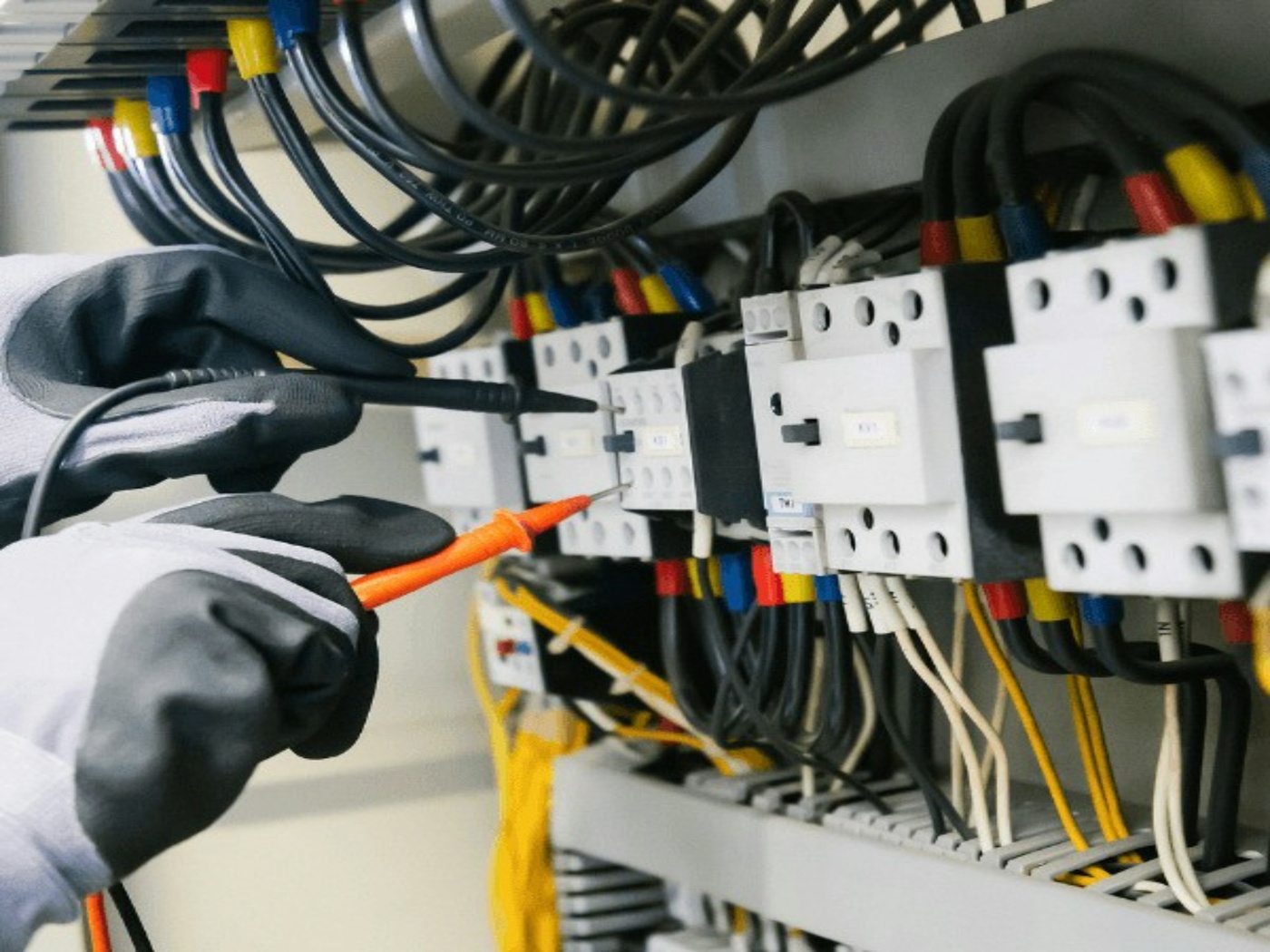
Only an economic operator established in the European Union can be registered as an authorised CBAM declarant. If you import via an indirect representative, they must hold the status. Either way, without an authorised declarant, the goods can no longer be released for free circulation.
Will you exceed the thresholds in 2026?
A de minimis threshold was introduced to exempt small occasional importers (cumulative annual mass logic). If you are close to or clearly above the threshold, you need to be authorised upstream. If you are below, you still need to document that position. Neither situation can be handled at the last minute.
In case of non-compliance :
import blockage, financial penalties, and risk of disruption of your flows.
Under 50 tonnes a year? Let’s check together.
Since the Omnibus Regulation (EU) 2025/2083, importers below 50 cumulative net tonnes per year (steel, aluminium, cement and fertilisers combined) are exempt from CBAM obligations — provided the exemption is correctly claimed at customs (code Y137) and the cumulative total is tracked month by month. Our Pack starts by establishing your position against the threshold: many companies discover they are exempt… or dangerously close to the limit.
The 2026 calendar to know
What concretely changes this year
Three deadlines shape the year. Knowing them is what prevents goods being held and penalties being incurred.

May 2027 — First definitive annual declaration
The first annual CBAM declaration covering 2026 must be filed, with surrender of the corresponding CBAM certificates. The preparation work for this declaration actually starts now: without structured supplier data through 2026, the 2027 declaration will be impossible to substantiate.
Without preparation, CBAM adds uncertainty to every import.
With structured compliance, it becomes a lever to secure your imports.
1 January 2026 : definitive phase begins
Entry into the definitive phase End of the transitional phase. From this date, only authorised CBAM declarants can import the relevant goods. Quarterly CBAM declarations, previously informational, now trigger the obligation to acquire and surrender CBAM certificates matching the embedded emissions of the goods.
Throughout 2026 — Automatic CERTEX verification
The European customs system automatically verifies, at each import declaration, that the importer holds authorised CBAM declarant status via the CERTEX registry. No status, no import: the block is automatic, not a human decision.


What is yours, what is ours
Your obligations
- Being registered as an authorised CBAM declarant, or working through one that is.
- Filing the CBAM declarations on time and surrendering the corresponding certificates.
- Answering for the data submitted to the authorities: it commits your company.
The data required
- Precise identification of the goods concerned: CN codes, quantities, countries of origin.
- Embedded emissions per product, obtained from your producers, with their calculation method.
- Any carbon price already paid in the country of production, and the proof of it.
What CTB Group does
- We map your flows and determine which ones fall within the scope.
- We build the collection process with your suppliers and provide the templates to send them.
- We check the consistency of the data received, flag what is missing and prepare the reporting file.
- We coordinate your authorised CBAM declarant, without substituting ourselves for them.
At the end, you have a documented CBAM process, usable data and clearly assigned responsibilities: enough to face an audit without improvising.
What the CBAM / MACF 2026 Pack contains
Our CBAM / MACF 2026 Pack is a scoped engagement with fixed deliverables, designed to take you from "I don't know where I stand" to "I am authorised, my flows clear, my data is ready for the annual declaration". Four components.
CBAM exposure mapping
Inventory of your imports over the past 24 months, identification of HS codes within the CBAM scope, calculation of cumulative mass, positioning against the de minimis threshold. You know precisely whether, where and how much you are exposed.
Authorised CBAM declarant application file
Preparation and structuring of the authorisation file with the competent national authority (SPF Finances in Belgium). Presentation of your activity, demonstration of financial and operational capacity, setup of the expected internal procedures. We do not file the request for you — we prepare it to the level required for it to pass.
Structured supplier emissions data collection
2027 annual declaration structuring
Architecture of your future annual declaration: internal nomenclature, mapping to CBAM requirements, forecast calculation of certificates to acquire, surrender calendar. You enter 2027 with an already-framed file, not a mountain to climb in May.
A clear framework to move from CBAM obligation to operational compliance.
Our 4-step method
From mapping to operational peace of mind

Exposure diagnostic (week 1)
Analysis of past and forecast imports, identification of your real CBAM scope, first estimate of the stake in certificates and cost. Deliverable: 4 to 6-page exposure note.

Authorisation file preparation (weeks 2 to 5)
Building the application file for authorised CBAM declarant status: financial, operational, procedural elements. Deliverable: complete file ready to submit.
Supplier data flow setup (weeks 4 to 8, in parallel)
Templates, dialogue with your non-EU producers in their language, setup of the emissions data collection loop. Deliverable: operational collection process + first data set.
Annual declaration structuring (weeks 6 to 10)
Architecture of your 2026 annual CBAM declaration to be filed in 2027. Deliverable: pre-populated declaration model, certificate surrender calendar, quarterly checkpoints.
The deadline is not negotiable. The preparation time is.
Every week of waiting reduces your margin. If you are within the CBAM scope and not yet an authorised declarant, your next imports are at risk of automatic blocking. Book a 30-minute call: together we identify whether you are concerned, to what extent, and whether the CBAM/MACF 2026 Pack is the right answer for your situation.
Goods concerned
The CBAM/MACF Pack applies to these goods only
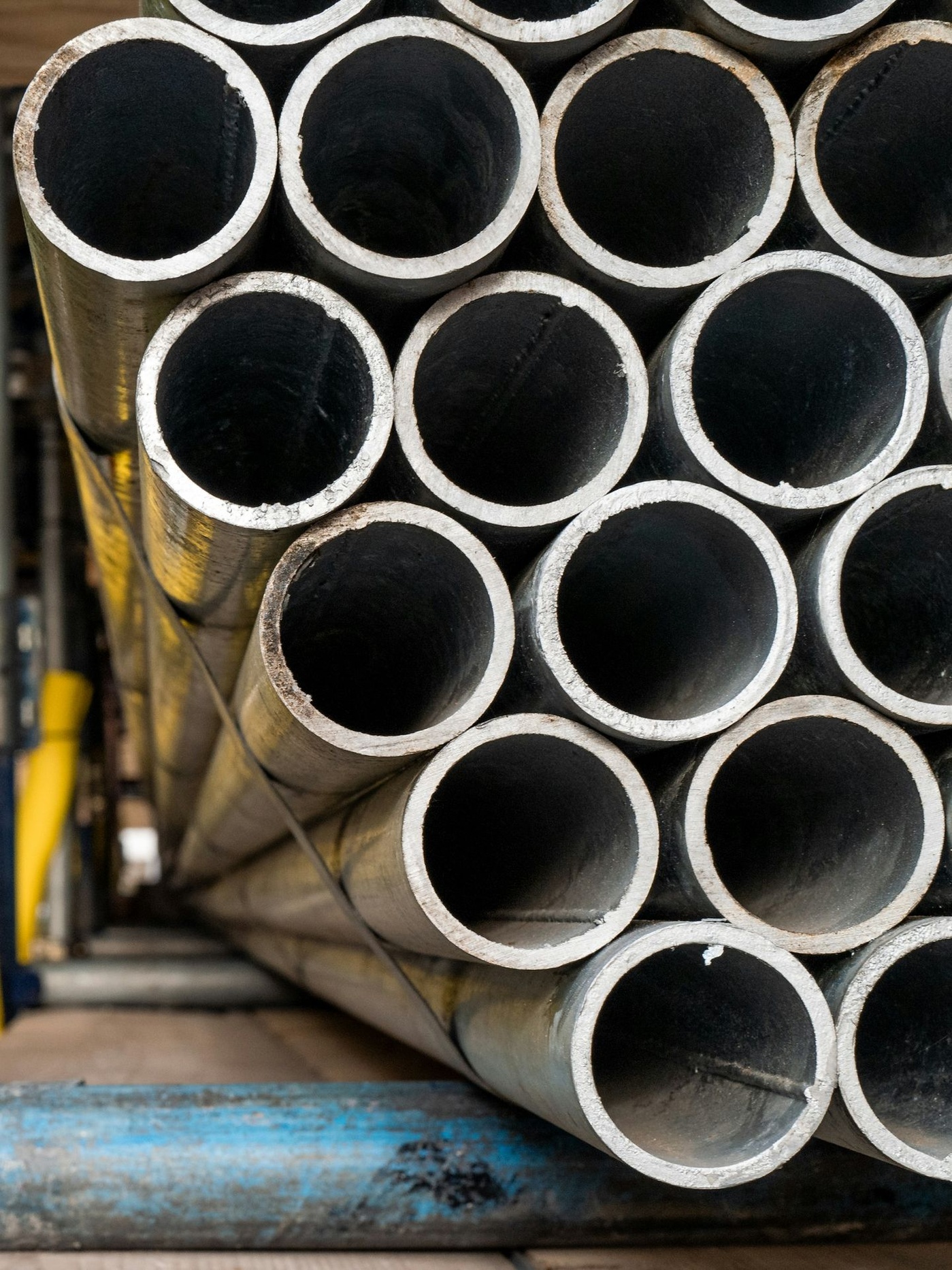
- Iron, steel, cast iron, tubes, sections, screws and bolts — CBAM, steel safeguard measures, anti-dumping
- Aluminium and simple aluminium articles — CBAM
- Cement and clinker — CBAM
- Nitrogen fertilisers — CBAM
- Hydrogen and electricity — CBAM
Above 50 tonnes imported per year, authorised CBAM declarant status is mandatory. The most common trap: timber falls under the EUDR, not CBAM, and a steel item of furniture (chapter 94) is not covered either. Only certain iron, steel and aluminium products are — the HS code always decides. Where in doubt, start with the Diagnostic.
Frequently
asked
questions
No. You can either apply for the status yourself or coordinate with an authorised declarant. We help you choose the right path based on your volumes, your structure, and your strategic interests.
This is a frequent risk in 2026. We deploy structured supplier protocols (multilingual templates, technical conversations, deadlines) and, if data remains unavailable, we apply the default values authorised by the CBAM regulation — while documenting the situation to protect your compliance position.
The transitional phase (2023-2025) only required quarterly reports without financial penalties. The definitive phase since 1 January 2026 introduces the obligation to be an authorised declarant, the financial purchase of CBAM certificates, and CERTEX verification.
Yes. These two flows have specific characteristics (often a single supplier, energy contracts, particular emission calculations), but they fall fully within the scope of our framework.