Ship your dangerous goods without being stopped at departure!
ADR, RID, IMDG, IATA DGR, ADN. One firm, five transport modes, zero refusals at the gate.
The IMDG Code changed on 1 January 2026. Most shippers have not yet passed it through.
Since that date, amendment 42-24 is mandatory and 41-22 no longer applies. There was no extension. In practice: a safety data sheet whose section 14 still refers to 41-22 is out of date — and that alone is enough for a sea freight booking to be refused.
The amendment introduces more than sixty revisions to the dangerous goods list, eleven new UN numbers, some fifty modified packing instructions and around thirty adjusted special provisions. UN 3171 is no longer acceptable for electrically powered vehicles. In parallel, ADR 2027 has already been adopted: applicable on 1 January 2027, mandatory on 1 July. And since 21 May 2026, every cross-border waste shipment goes through the European digital system DIWASS, with the ban on exporting plastic waste outside the OECD taking effect on 21 November 2026.
Direct consequence: Belgian shippers of chemicals, cosmetics, aerosols, paints, batteries, samples or waste face five regulations that share the same UN root but do not synchronise— and none of them forgives approximation at the moment of inspection.
Five modes. Five regulations. One single UN root.
05
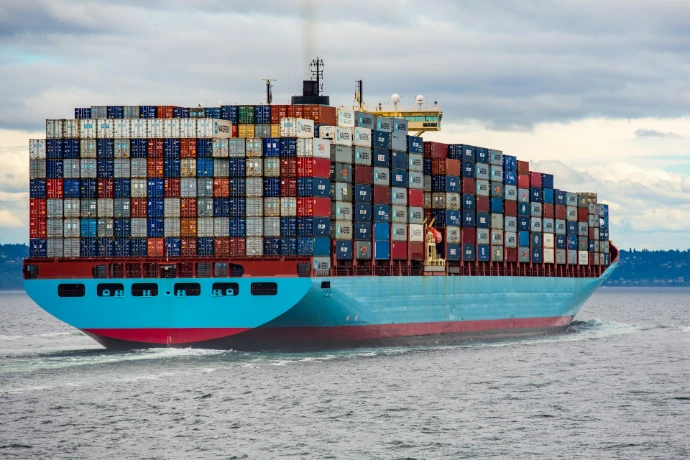
Inland waterways: ADN
Transport document, attestation, Rhine and Scheldt specifics — critical for Antwerp–Rotterdam–Duisburg flows.
Today, your freight forwarder covers the mode it operates. Your supplier covers the safety data sheet it drafted. Nobody checks that all five tell the same story. That is your responsibility as shipper — we make it our profession.
Do you import batteries? Transport is only one obligation out of five. See our dedicated battery page.
03
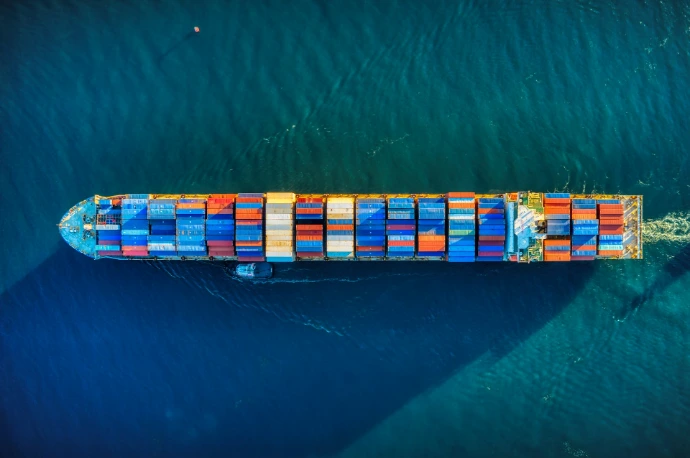
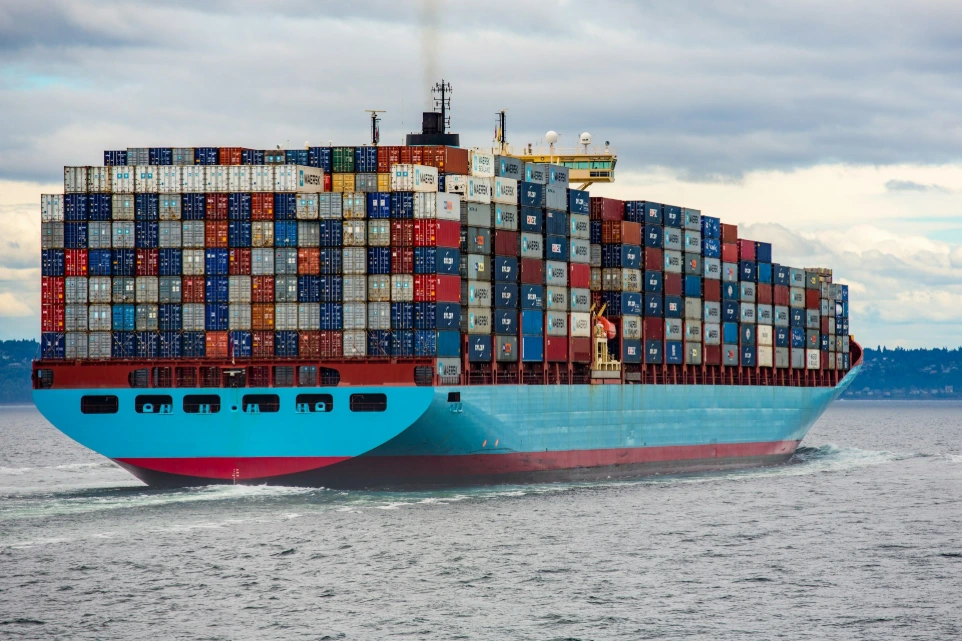
Sea: IMDG Code
Dangerous Goods Declaration, container packing certificate, segregation and stowage plan, marine pollutant marking, EmS guide. Amendment 42-24 mandatory since 1 January 2026.
01

Road: ADR
Transport document, instructions in writing, tunnel code, vehicle approval certificate, 1.3 training. ADR 2025 edition; ADR 2027 already adopted.
02
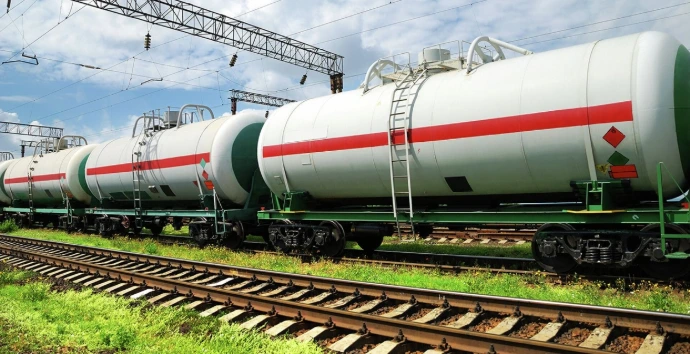
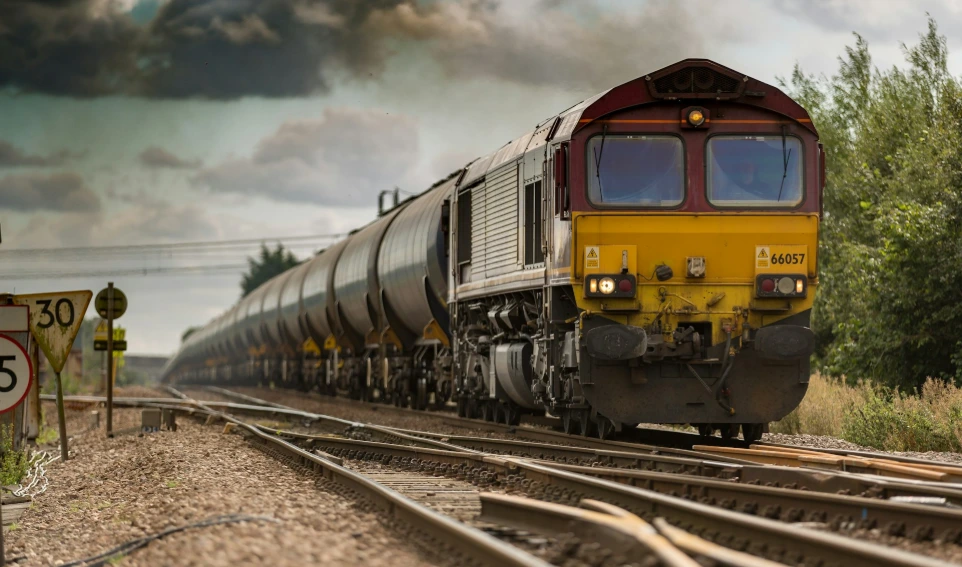
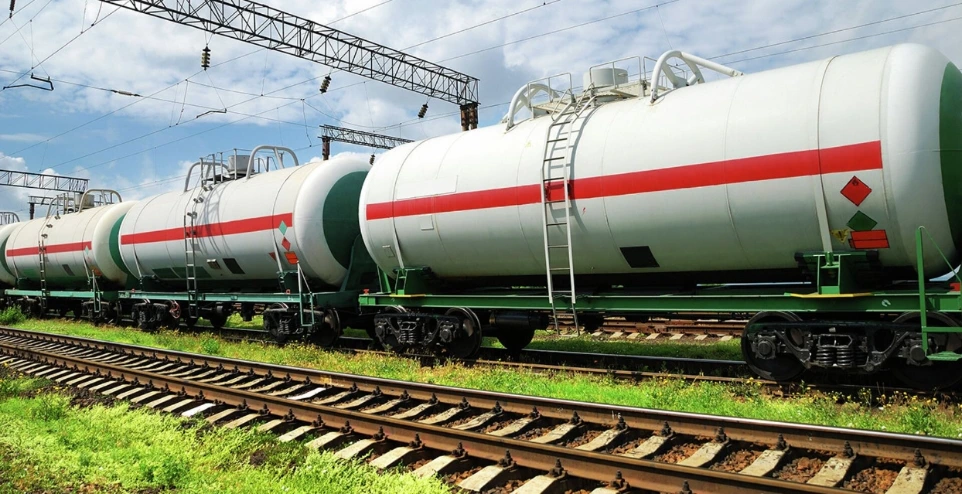
Rail: RID
RID transport document, wagon requirements, interaction with ADR on combined journeys and pre-carriage.
04
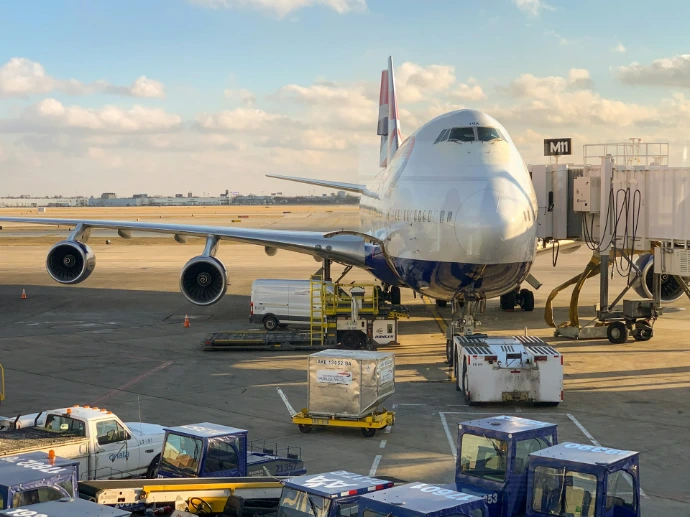
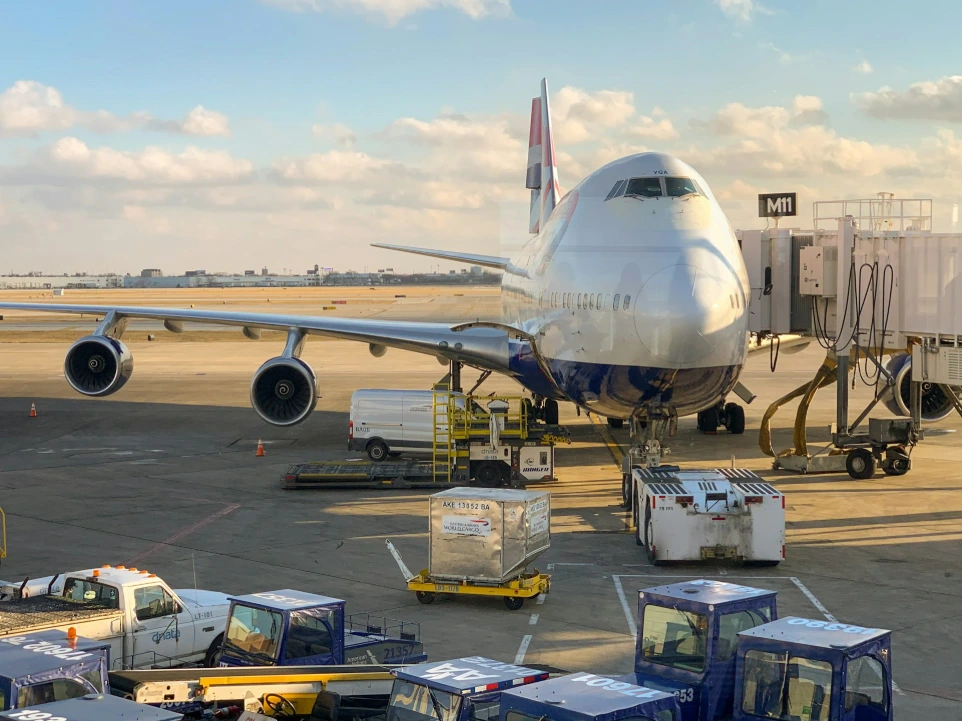
Air: IATA DGR
Shipper's Declaration, packing instructions, sections IA / IB / II, capped state of charge, cargo-aircraft-only restrictions, State and operator variations. 67th edition in force; the 68th takes over on 1 January 2027.
For whom?
For shippers who cannot afford a container refused in Antwerp.
1
Chemicals, cosmetics, paints and adhesives
Solvents, aerosols, fragrances, adhesives, inks. The breaking point: the mismatch between CLP labelling and transport classification.
2
Waste exporters and recyclers
Production scrap, plastics, WEEE, end-of-life batteries. The breaking point: DIWASS since May 2026, and the ban on exporting plastic waste outside the OECD on 21 November.
3
E-commerce and technical distribution
Drones, cordless tools, vaping devices, cosmetics, cleaning products, lighters. The breaking point: the limited quantities regime, assumed to exempt, which is not.
🟢 Level 1 — DG Ready-to-Ship Diagnosis
For whom : you are discovering the impact of 42-24, or you have just had a shipment refused at departure.
- Classification of up to 10 references: UN number, class, packing group, special provisions
- Gap analysis by transport mode actually used
- Review of section 14 of your SDSs and prioritised risk matrix
- Costed 90-day action plan
- 1.5-hour debrief
- 30-day hotline included
Durée : 10 jours ouvrés Tarif: Quote on request
🔵 Level 2 — DG Compliance Pack
For whom : you want a complete and defensible documentation set across your entire catalogue.
- Full classification of up to 50 references
- Documentation set by mode, ready to sign: declarations, packing certificates, instructions in writing
- Harmonised and updated section 14 of SDSs
- Packing, marking and labelling instructions, matrix of carrier variations
- UN number ↔ HS code matching, customs aspects and turnkey internal procedures (SOPs)
- Carrier briefing and in-house training
- Hotline for 6 months after delivery
Durée : 4 à 6 mois Tarif: Quote on request

🟣 Level 3 — DG Watch Retainer
For whom: you want to maintain compliance without hiring in-house.
- Monthly watch on ADR, RID, IMDG, IATA DGR, ADN and operator variations
- Unlimited hotline
- Documentation updated at each edition cycle
- Annual maintenance audit
- Quarterly governance review
- 48-hour alert on impactful developments
Durée : engagement 12 mois minimum Tarif: Quote on request
Why CTB Group
A Belgian firm, certified, anchored where your goods enter Europe.
Certification académique reconnue University certificate – Customs Specialisation, University of Liège (Tax Institute). The six courses taken are the customs courses of the Master of specialisation in tax law – Customs Compliance, a programme recognised by the European Commission (EU Customs Certificate of Recognition).
Strategic Belgian anchoring Presence in Brussels, expertise in Liège Airport and Antwerp flows, direct relations with l'AGD&A, command of the PLDA / IDMS / AES / NCTS / CCI transition.
Reproducible methodology Standardised diagnosis, documented deliverables, reusable SOPs. No service delivered on a whim.
Five working languages French, Dutch, English, Brazilian Portuguese, Spanish. To speak to your suppliers and to your administration alike.
Frequently asked questions
The questions every shipper asks us.
Your freight forwarder operates one mode and applies what you declare to it. Classification and declaration remain your responsibility as shipper — they cannot be delegated. We step in upstream, where it is decided.
Since 1 January 2026. Amendment 41-22 no longer applies, and any documentation still referring to it is out of date.
Yes. Transport regulations apply to the journey, not to the origin. An intra-EU flow of dangerous goods falls under ADR, RID or ADN depending on the mode.
Chemicals, cosmetics, paints and coatings; waste and recycling; e-commerce and technical distribution; laboratories and diagnostics; manufacturers shipping equipment with installed batteries; and non-EU producers entering the European market.
Between €8,000 and €25,000 on average, adding up duties, fines, expert fees, immobilisation and lost business. Not counting registration on the monitored operators list, which multiplies subsequent inspections.
First scoping meeting (video call, 1 hour). You send us your safety data sheets, your specifications and one or two recent files. We classify, we check against the requirements of each mode used, and we report back in 1.5 hours. You leave with a costed action plan. Ten working days.
No. We are a consultancy and pre-compliance firm. For customs representation in the strict sense, we work in orchestration with Belgian partner forwarders. You keep your forwarder; we equip it.
You ship dangerous goods. You want to know where you stand.
Book a free 30-minute scoping call. No commitment. Afterwards, you will know exactly which transport modes and which hazard classes apply to you, and we will know whether we can help you.
Before the transport question comes the entry question: EORI number, tariff classification, authorisations for a procedure or for storage. These are steps to take upstream, not when the goods are ready to leave.